The Nap That Made It Worse
Waking up foggy is not a character flaw, it is a measured state with a name and a clock on it. What the research says about which minute you wake up in.

Four in the afternoon. You lay down for twenty minutes and slept for ninety. You are awake now in the sense that your eyes are open, and you have read the same message three times without any of it going in. Your mouth is dry. You are angry at yourself in a way that is out of proportion to what happened.
The nap did not fail. You woke up in the wrong minute of it.
It Has A Name And A Clock
The state you are in has been studied since the seventies and it is called sleep inertia: the drop in alertness and performance that happens immediately after waking, before the system comes back up to speed.
Tassi and Muzet, 2000, in Sleep Medicine Reviews defined it as a transitional state of lowered arousal, occurring right after waking, producing a temporary decrement in performance. Temporary is the important word — it is not damage, and it is not who you are at four in the afternoon. It is a clock running down.
What the research measured
- Sleep inertia typically clears in 15 to 30 minutes (Tassi & Muzet, 2000, Sleep Medicine Reviews 4(4):341–353).
- But some studies found performance not fully settling until around two hours after waking — even after a full eight-hour night.
- The strongest single factor is which sleep stage you were pulled out of: waking abruptly out of slow-wave sleep produces markedly more inertia than waking from the light stages. REM sits somewhere in between.
- Trotti, 2017, in Sleep Medicine Reviews reviewed the same territory (35:76–84) and found that coming back to normal waking cognition takes an actual reorganisation of brain networks — it is not a matter of trying harder.
Why The Ninety-Minute Nap Hurts More Than The Twenty
Sleep does not run flat. You descend through light stages into slow-wave sleep — the deep part — and back out again. A twenty minute nap usually keeps you in the shallow end. An hour and a half drops you into the deep end, and the alarm goes off wherever you happen to be.
If it catches you in slow-wave sleep, the fog you get is not proportional to how tired you were before you lay down. It is proportional to how far down you were when the phone rang.
That is why the long nap can leave you worse off than the short one, and why the short one that ran long feels like a punishment. Nothing went wrong with you. The timing went wrong.
What I do now, which is not clever
I stopped treating the nap as a decision about how tired I am and started treating it as a decision about a clock. Twenty minutes, alarm on, phone across the room so I have to stand up to kill it. If I have missed that window and I am already deep, I would rather get up foggy and walk than lie back down for another cycle.
I did that for a year before I read a word about slow-wave sleep. I just knew the long one made Tuesday worse. It turns out the reason has a citation.
Not For
This is about the ordinary afternoon fog. If you are waking up disoriented most mornings, sleeping long and never feeling restored, or falling asleep in the day without meaning to, that is not a nap-timing problem and I am not going to name it for you from a blog post. Sleep disorders are real, they are diagnosable, and somebody qualified can tell the difference in a way that a page like this cannot.
If you are on something that works, keep taking it. Nothing here replaces it.
One Thing, Today
If you nap, set the alarm for twenty minutes and put the phone out of arm's reach before you lie down.
And if you wake up wrecked anyway, start a timer instead of a verdict. Fifteen to thirty minutes is the published range for this to clear. Judge the day after that, not during it.
20 minutes. A copper line empties across the column, one update a second. Put the phone in your pocket; this page will still be here. No alarm. Set your real alarm too. This is a page, not an alarm. You can stop at any time.
Sound off? Check the side switch.
A timer, not a study. The evidence in this piece is the evidence; this only counts.
Time. No verdict.
More from Wilder Brain
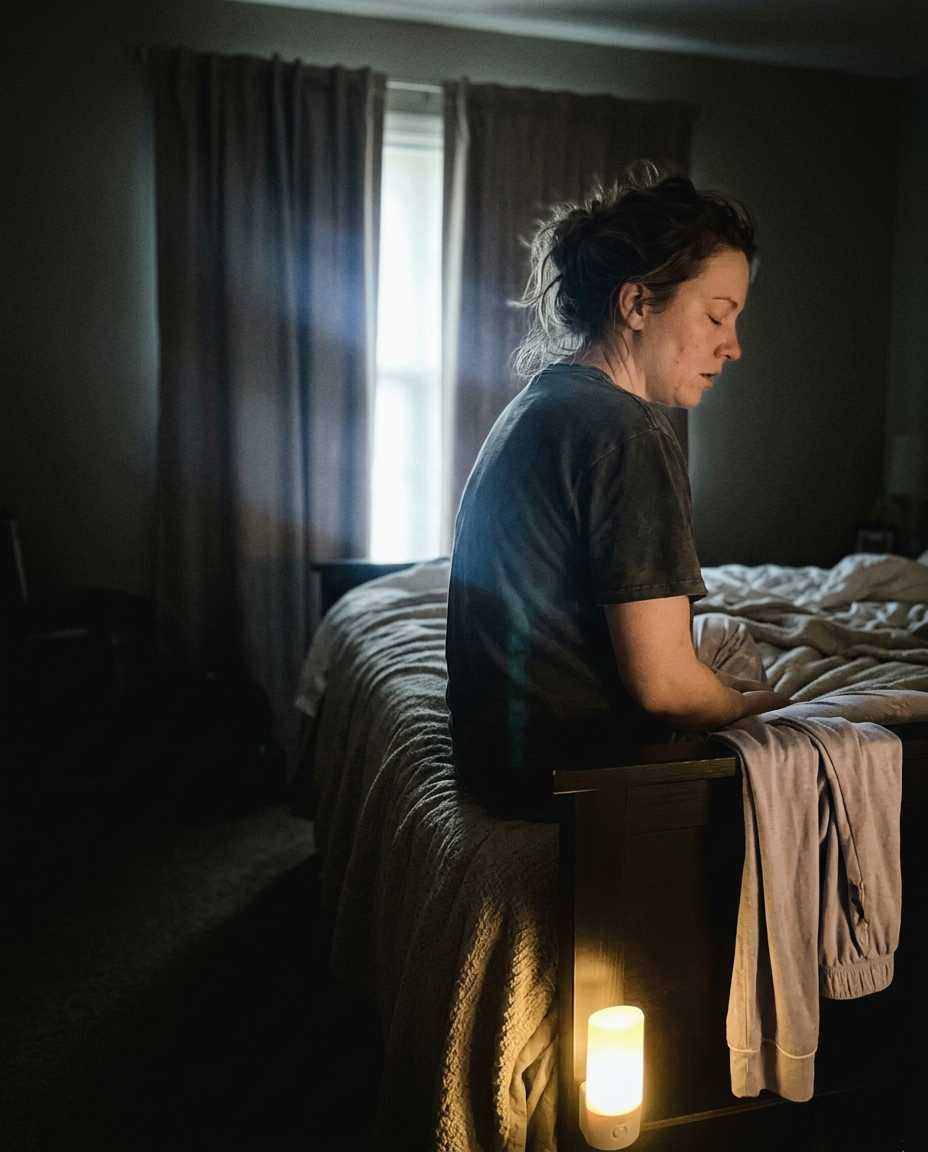
Longer Out Than In
The breathing thing, except the version that was actually tested — including the part where the people it beat were meditating, not doing nothing.
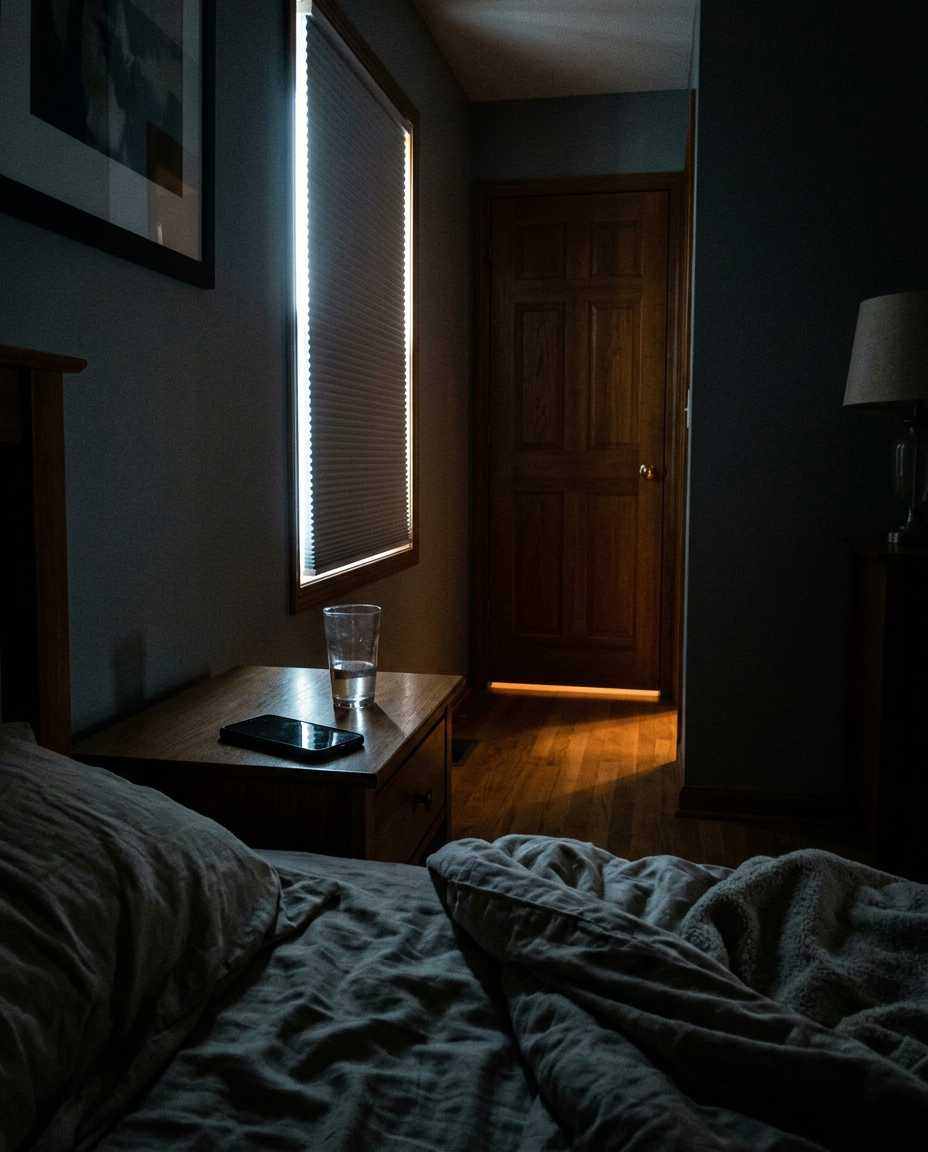
The 3 A.M. File
Five things I do when I wake at three and my brain has already picked the worst memory it owns, in order, and honest about how little any of them do.

Wanting It Is Not A Plan
Thirty-five years of goal research says the vague version loses to the specific one, every time. Here is the number, and what it does not say.