Anxious in love, named: the five things we keep doing
Rereading his texts, checking who saw your story, asking one more time, guessing, drafting. Each one named, the size of what got measured, and one small thing to do instead.

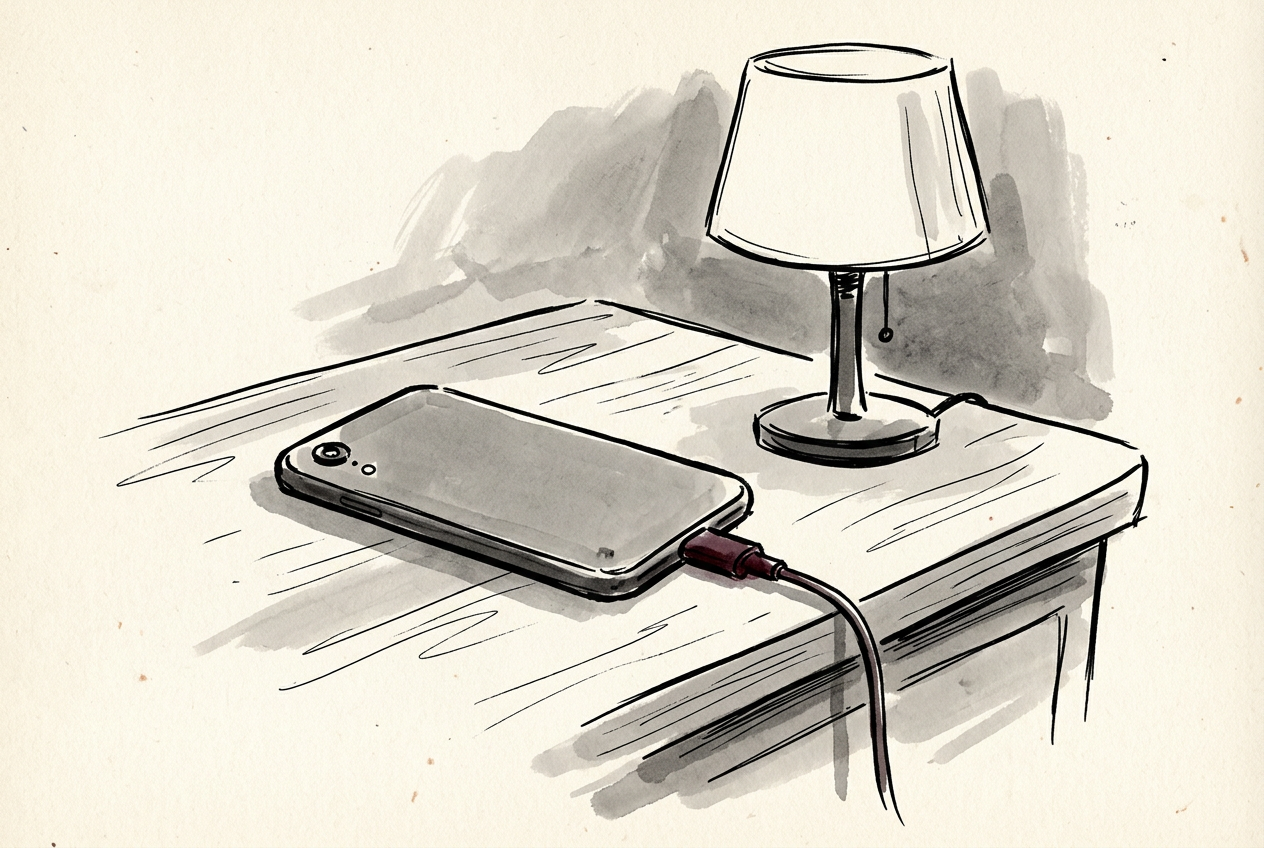
It is 3 a.m. and the phone is on the duvet, face up, which is already a decision.
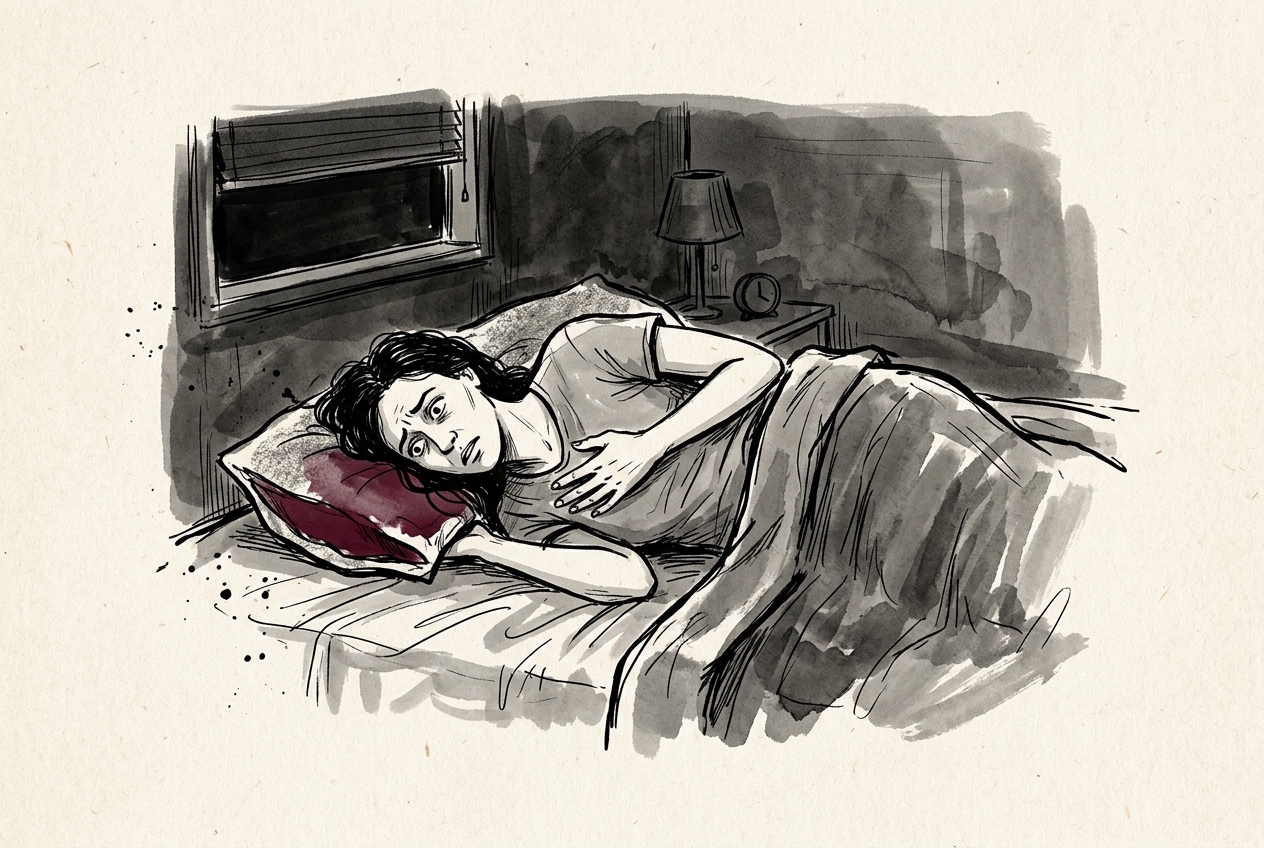
You are not doing anything dramatic. You are reading his last text again. Then you check who viewed your story. Then you write him a paragraph and do not send it, and then you lie there working out what he meant by "ok" with a period.
None of that has a name when you are inside it. It just feels like being awake. So this page gives each one a name, says honestly how much anybody has measured about it, and hands you one small thing to do instead. One thing. Not a program.
I'm the one who did it first and read about it after. This is the reading.
Why A Name Helps At All
There is one small study behind the idea that putting a word on a feeling does something. Lieberman and colleagues, 2007, in Psychological Science put 30 people in a scanner and showed them photos of angry and scared faces. When people picked a word for the feeling on the face, instead of picking the face's gender, the amygdala answered less loudly.
Now the size of it. Thirty people, one afternoon, photos of strangers. Nobody was lying in the dark over a man. That is a hint, not a law, and I am only using it for the modest part: a name gives you something to hold that is not the phone.
1. Rereading
You open the thread to check one thing and you read the whole last week. Then the last month. You are looking for the sentence where it turned, as if finding it would let you turn it back.
The name is rereading. Say it in your head when you catch yourself: rereading. Not "checking something quickly."
What got measured
Honestly, nothing I could find on rereading his texts by itself. The closest measured thing is checking his profile, which is the next section, so I am not going to borrow its numbers for this one.
One thing instead
Before bed, archive the thread. Not delete, archive. It is all still there, it is just not the first thing the phone shows you at 3 a.m. One extra tap between you and the loop.
2. Checking
You post a story and then you watch the list of who saw it. Or you go to his profile, then the profile of the person who liked his photo, then you are six accounts deep and it is 3:40.
The name is checking. It feels like gathering information. It is mostly gathering the same information again.
I know this one from the other side, too. He read my phone while I slept. It did not make him calmer. I am telling you that as a fact about my life, not as evidence about yours.
What got measured
Marshall, 2012, in Cyberpsychology, Behavior, and Social Networking surveyed 464 people after a breakup. The ones who checked their ex's Facebook more reported more distress over the breakup, more longing for him, and less personal growth, even after accounting for how much they still saw each other offline.
Fox and Tokunaga, 2015, in the same journal, surveyed 431 people and ran it the other way: the more distress after the breakup, the more checking, especially in the people who were not the one who ended it.
Both are surveys taken at one point in time. They cannot tell you which comes first, the checking or the hurting. What they can tell you is that the two travel together, in a lot of people, and that you are not strange for doing it.
One thing instead
Mute his stories. He is not told. Then move the app off the first screen of your phone before you get into bed, so at 3 a.m. you have to go looking for it on purpose.
3. Needing To Be Reassured
He answered. He said it was fine. Twenty minutes later you need him to say it again, and then once more, and each time it holds for a shorter stretch.
The name is reassurance seeking. It is not a flaw in your character. When silence has been used on you as a punishment, a slow reply stops reading like a slow reply and starts reading like a verdict. Days of silence worked that way in my life, so I know exactly where the second question comes from.
What got measured
Starr and Davila, 2008, in the Journal of Abnormal Psychology pooled 38 studies and 6,973 people. Asking for reassurance over and over went with lower mood scores, a moderate link (r = .32). In 16 of those studies they also looked at whether the people on the other end pulled away, and that link was small (r = .14), a little stronger in romantic relationships than in friendships.
Again, these are links, not causes. It does not say asking once is wrong. It says asking again and again tends to come with feeling worse, not better.
One thing instead
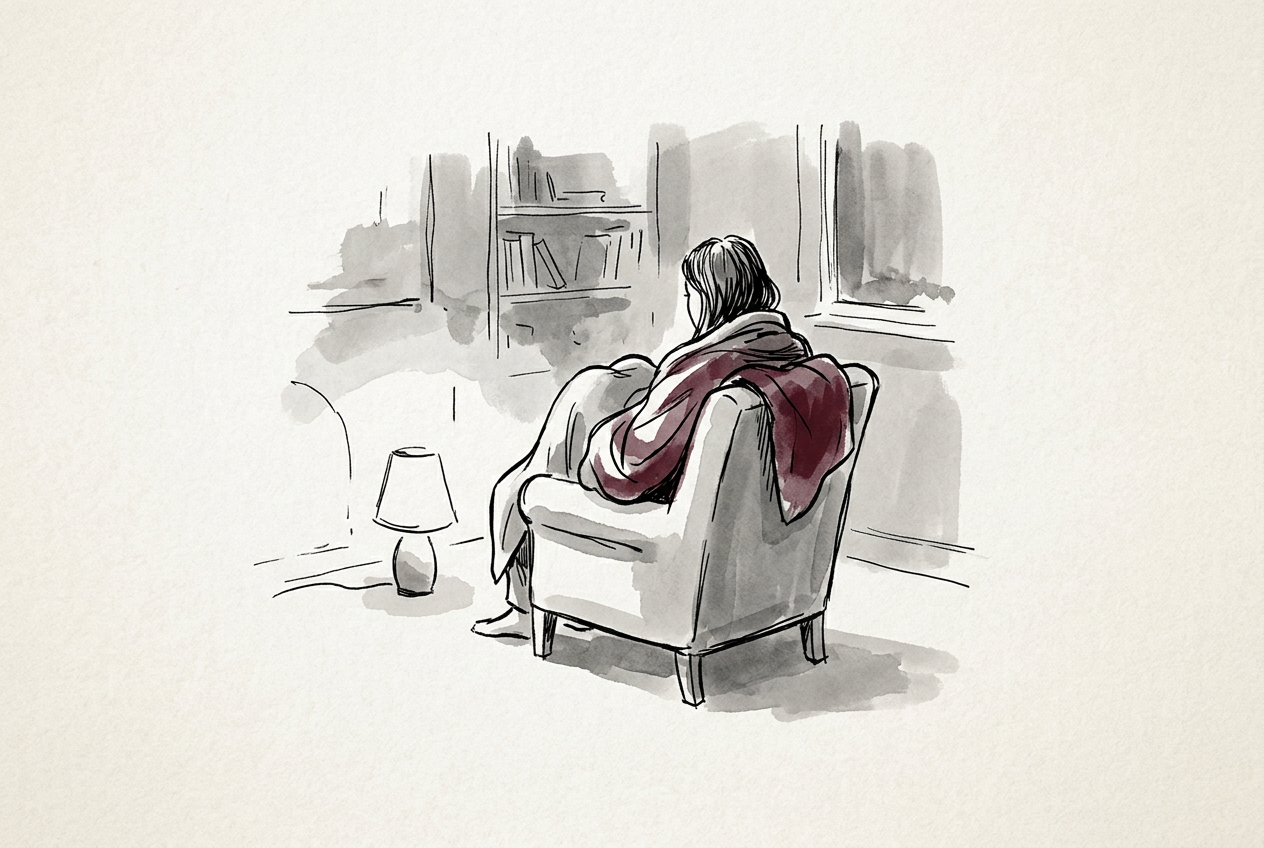
Ask once. When he answers, copy the answer into your notes app, word for word. When the need comes back at 3 a.m., read your note instead of asking again. You already have the answer. You are allowed to use it.
4. Guessing What He Thinks
"ok." with a period. Seen at 3:02, no reply. You build him a whole evening out of that, and then a whole opinion of you, and then you argue with the opinion.
The name is mind reading, or just guessing. It feels like thinking. It is the same loop I wrote about in I Tried To Think My Way Out: running the argument one more time and expecting it to finish.
What got measured
Nobody can measure what he is thinking, and neither can you from a period. The only study on this page that touches it is the small one at the top: putting a word on your own feeling, which you do have access to, instead of on his.
One thing instead
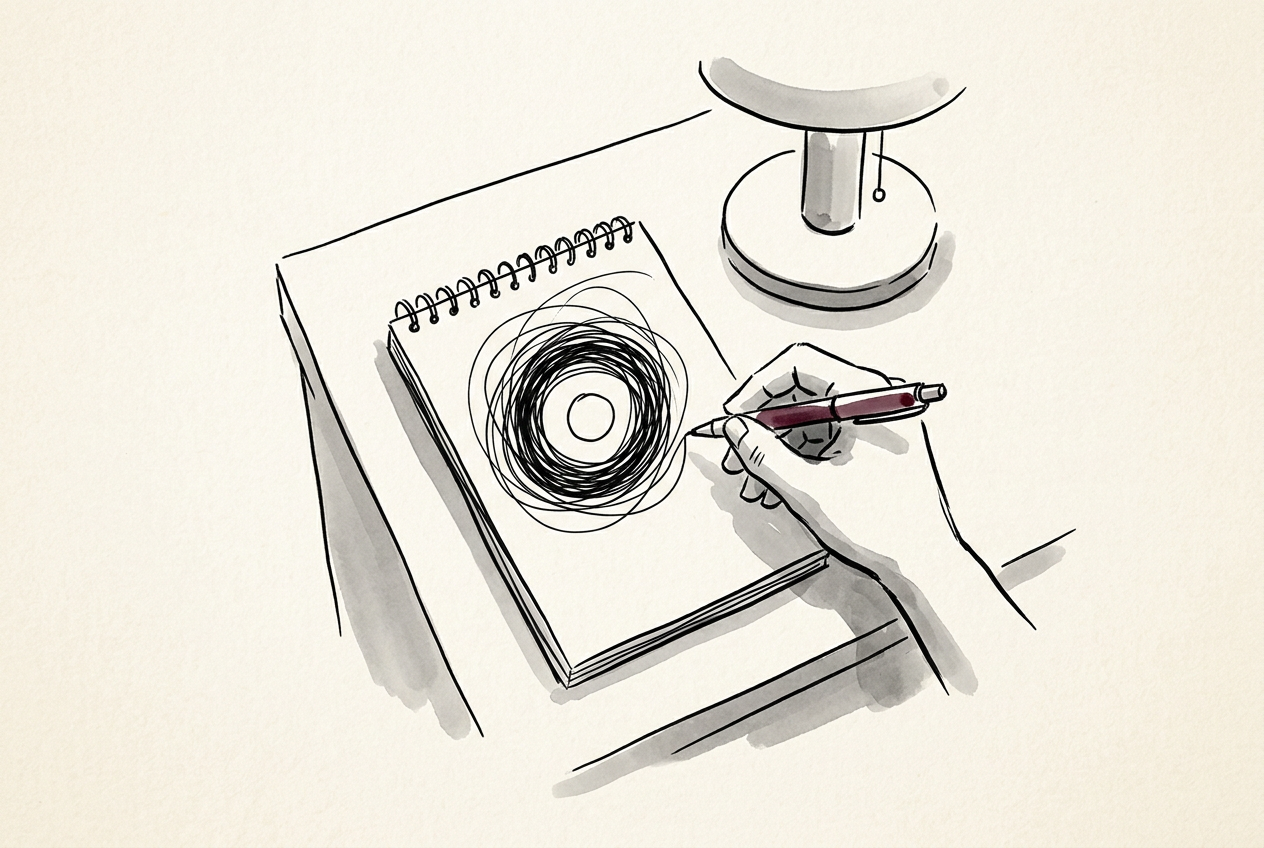
Write one line: I don't know what he thinks. I know what I feel, and it is ___. Fill in one word. Then stop. That is the whole exercise, and it is the one at the bottom of this page.
5. Drafting The Text You Won't Send
You type it in his thread. You fix the second sentence. You take out the part that sounds needy and put it back. Your thumb hovers. It is 3:17.
The name is drafting. Drafting is not the problem. Drafting in his thread, at 3 a.m., with the send button one inch from your thumb, is the problem.
What got measured
The nearest research is on writing about what hurts. Frattaroli, 2006, in Psychological Bulletin pooled 146 randomized studies of people writing about something that upset them. The average effect was tiny (r = .075). And those people wrote in sessions, for themselves, not to him.
So in the numbers it is small. I am still handing it to you, because at 3 a.m. small is the size that fits in your hand.
One thing instead
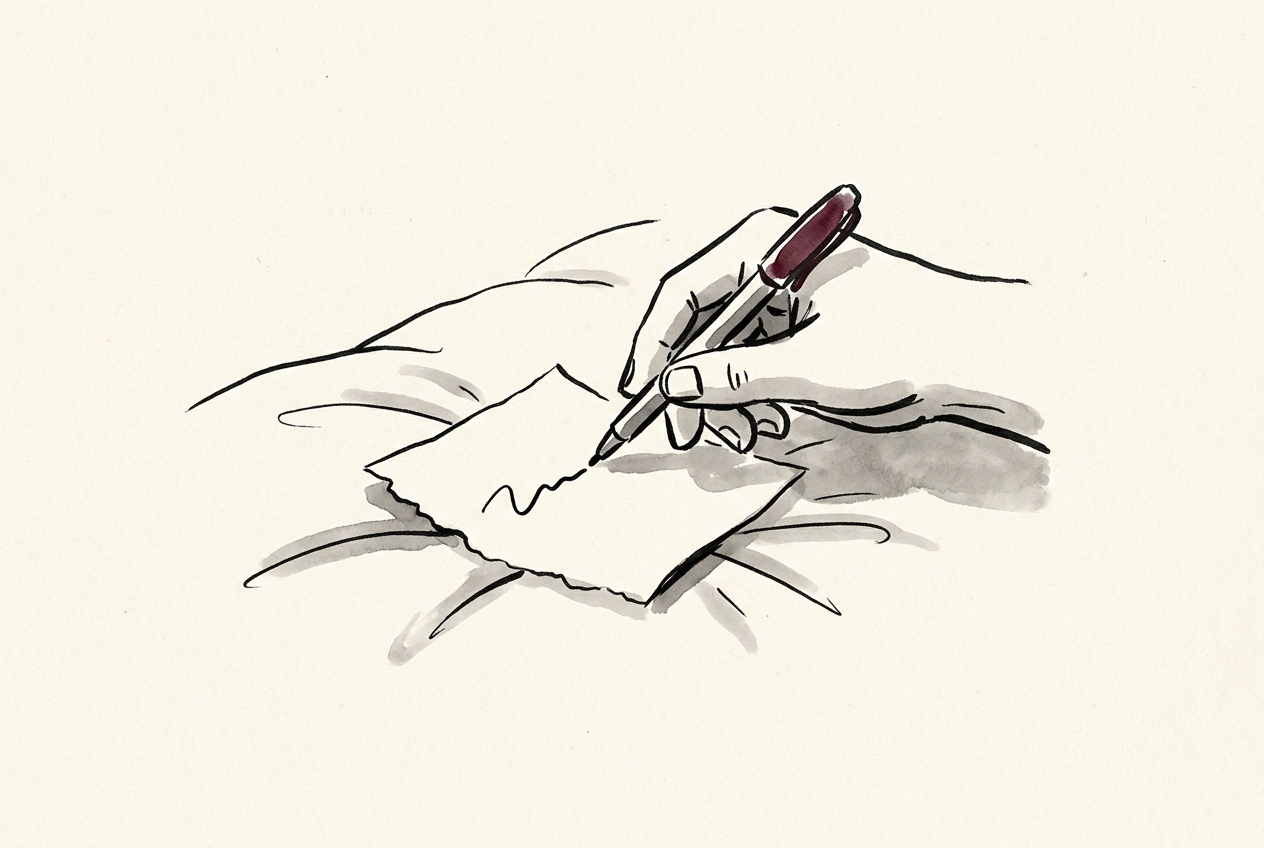
Draft it anywhere but his thread: the notes app, paper, the back of a receipt. Then read it at nine in the morning and decide then. The 3 a.m. version of you can write it. The 9 a.m. version gets to send it or not. The 3 A.M. File has the rest of that night.
The Size Of All This
The size of it
Five behaviors, four papers. One scanner study of 30 people and photos of strangers. Two surveys of 464 and 431 people after breakups, which show links, not causes. One pooled review of 38 studies on asking for reassurance. One pooled review of 146 studies on writing, with a tiny average effect. Nothing here was tested on your night, your phone, or him.
What a name does is small. It gives you a second between the urge and the thumb. Some nights that second is the whole win.
This is not a count of days, either. Nobody gets over anyone on a schedule, and the 21 days thing was never a study in the first place. The night you did not send it does not get applause. Nobody claps for this part. It still counts.
Not For
This page is for a bad night about someone. It is not a verdict on you, and I'm not the person to give one. No degree, no clipboard. I climbed out and took notes.
If you are not anxious about him but afraid of him, that is a different page and a different call. In the US, the National Domestic Violence Hotline is 1-800-799-7233.
If this is every night and not just tonight, that is a conversation with a person, not a blog post. If you are on something that works, keep taking it. Nothing on this page replaces it.
If tonight is worse than a bad night: in the US, call or text 988. It is free and it is not an overreaction.
Tonight
Pick the one of the five you did most tonight and say its name once: rereading, checking, reassurance, guessing, drafting.
Then put the one line down.
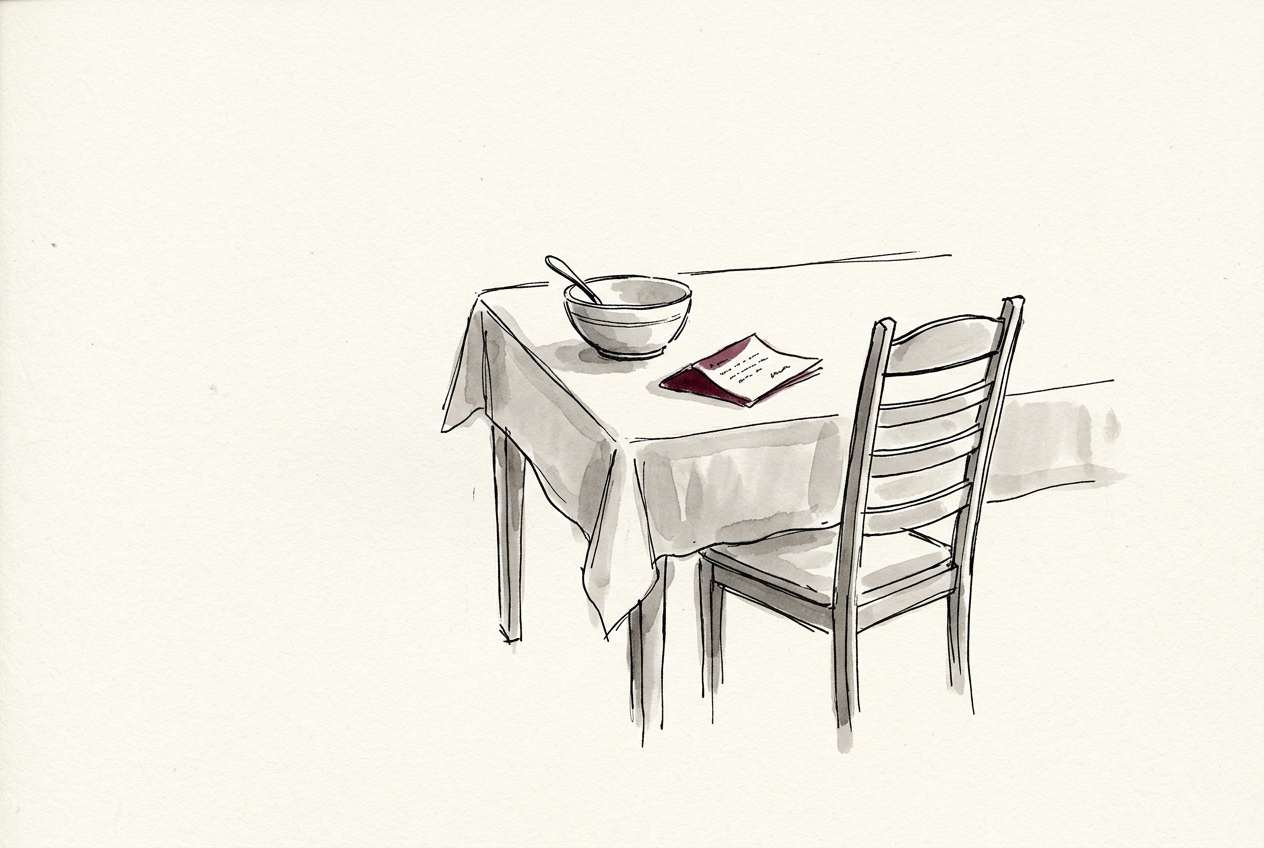
Write what you feel in one line, not what he thinks. It stays in this browser and is sent nowhere. You can stop at any time.
Sound off? Check the side switch.
Westenberg et al., 2018, Clinical Orthopaedics and Related Research, n=149 · one 60-second writing exercise on a screen · anxiety down against a leaflet · one study, one clinic.
That was one line. Paper still does this better.
Keep reading
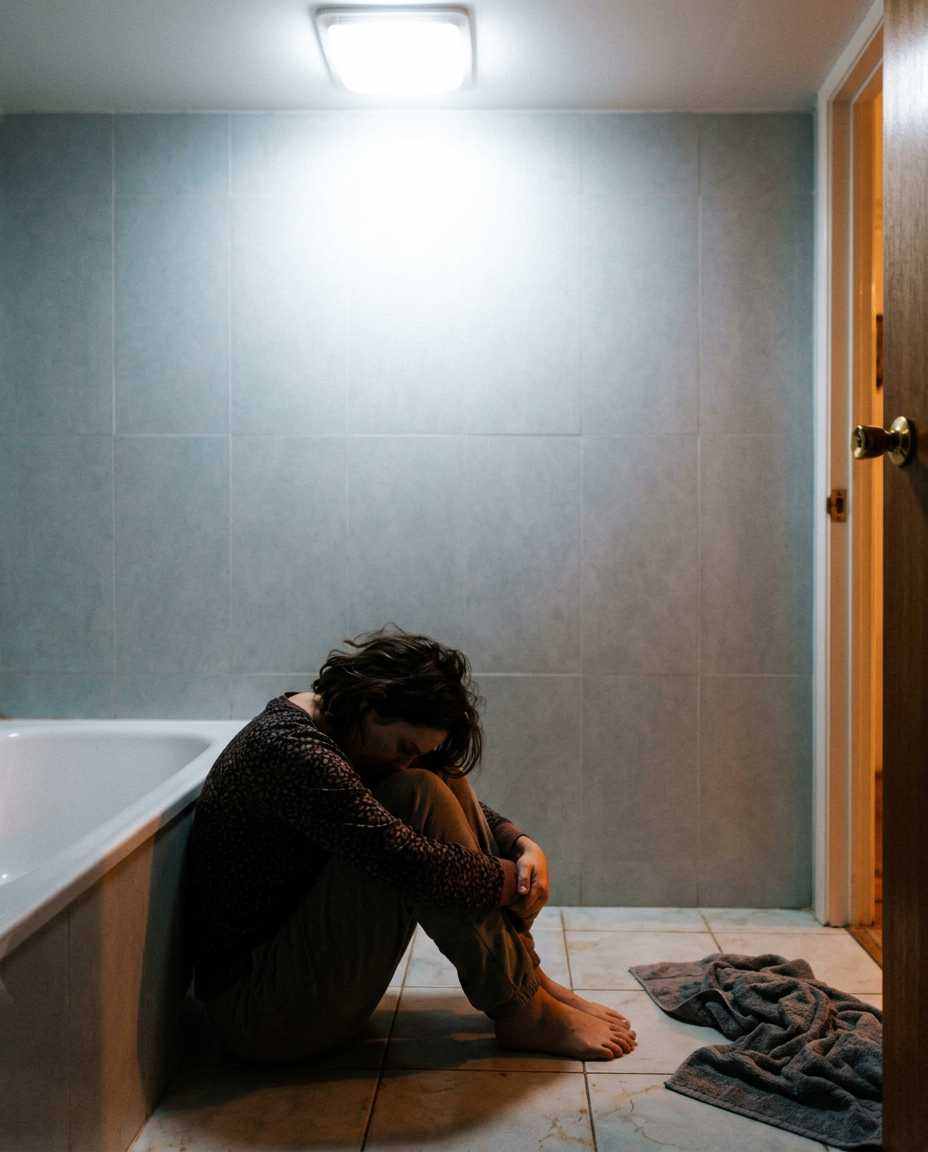
I Tried To Think My Way Out
I believed that if I ran the argument one more time it would finally resolve. Here is what that cost, and the small thing that changed it.
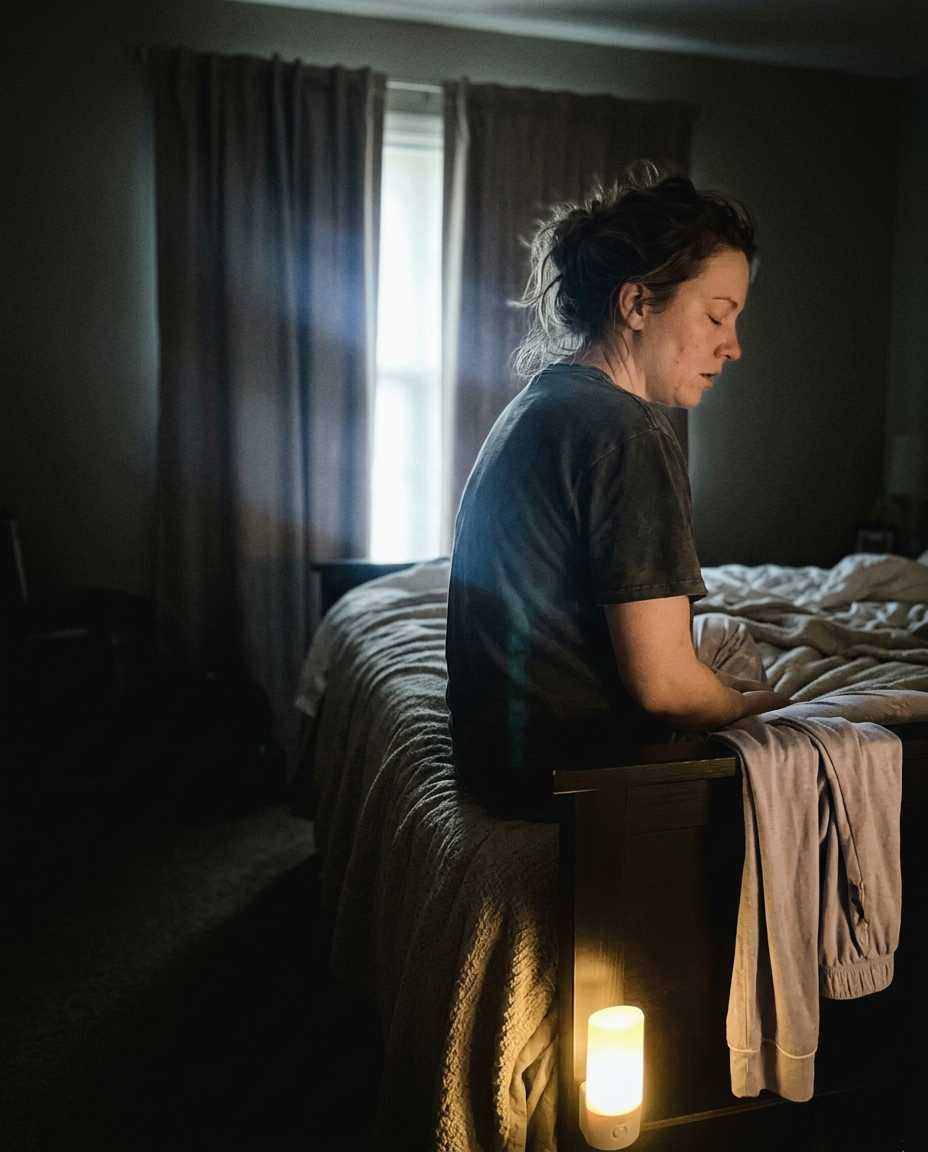
Longer Out Than In
The breathing thing, except the version that was actually tested — including the part where the people it beat were meditating, not doing nothing.

Nobody Claps For This Part
Eight weeks in, doing everything right, and nothing feels like anything. What two large trials actually measured about acting first and wanting it later.